Social media, AI and Shopify are exploited to accelerate mass e‑commerce manipulations aiming to extract money, as consumer protection researchers long warned would happen.
A young blond woman comes to a local market to sell handmade necklaces but immediately gets punched in the face by a stranger she identifies as a “Democrat” (archived here) – a detail suggesting the attack was linked to the American flag displayed on her merchandise. This is the storyline repeated across multiple videos posted by the @rubycrafts5 account (archived here) on TikTok.
But is it true?
VérifRadar deconstructed the deception piece by piece and found that none of this happened in real life. The ragebait videos, designed to trick conservative audiences into buying patriotic pendants, were AI-generated. Some also targeted Christians and the U.S. army, deploying a variety of tactics with notable resemblances.
Are platforms doing enough?
Director of the Indiana University Observatory on Social Media Filippo Menczer (archived here), on being asked if platforms are doing enough to disrupt manipulation, said:
“Platforms have been slow and reluctant to adopt policies to deal with AI-enabled manipulation and abuse, whether it’s nudifiers or information operations or fraud. For example, we uncovered a large AI-powered malicious botnet performing crypto fraud on Twitter/X and it was removed only after we published the results.”
He continued:
“Worse, they removed trust and safety teams, abolished fact-checking programs, and incentivized AI-generated engaging content (slop) through revenue-sharing. Platforms have also resisted regulation from outside the U.S., such as the EU. So no, they are definitely not doing enough to curb the harms of AI manipulation. We have daily reports of harmful consequences, from fake doctors giving unvetted (or dangerous) medical advice to fake images and videos for election manipulation.”
A case analysis
This is what one of such posts (archived here) that went live on July 22, 2026, looked like on TikTok at the time of writing:
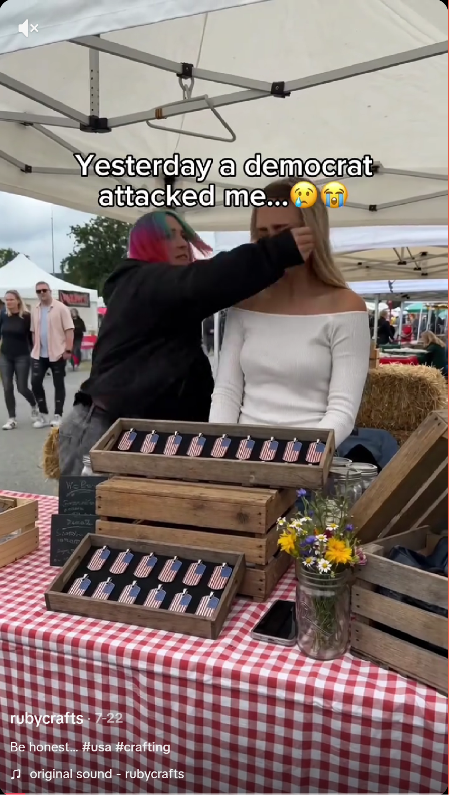
(Image source: post by @rubycrafts5 on TikTok.)
Sightengine, an AI detection tool, said that the clip was 89% likely to have been generated by AI:
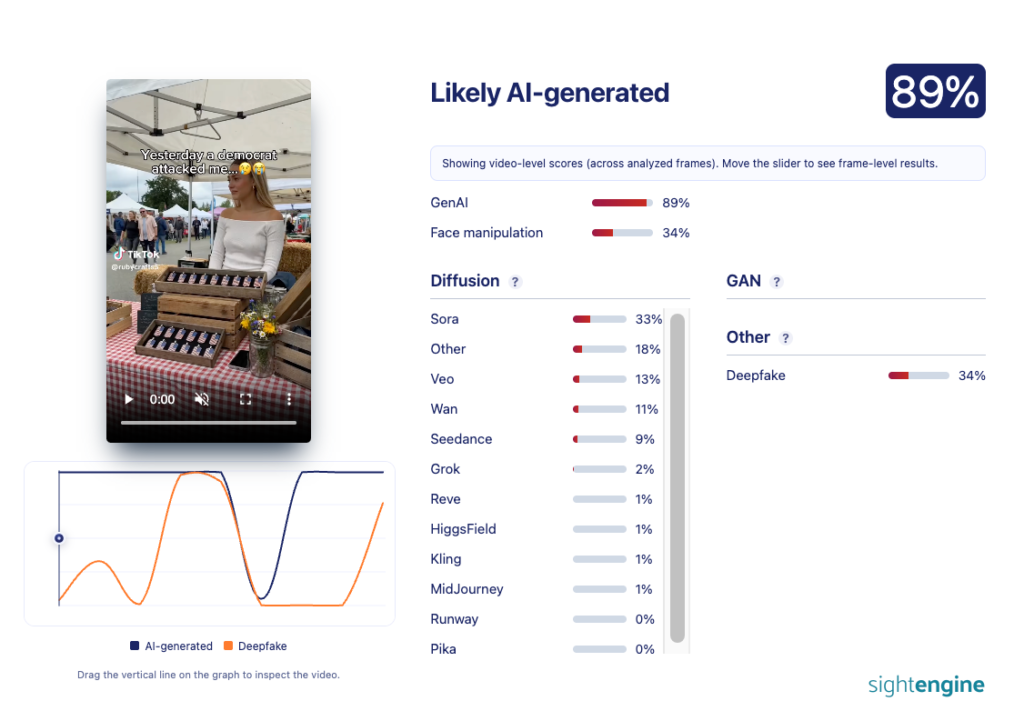
(Image source: Sightengine.)
Hive Moderation, another detection tool, ruled that the odds of the clip having been made by AI were 99%:
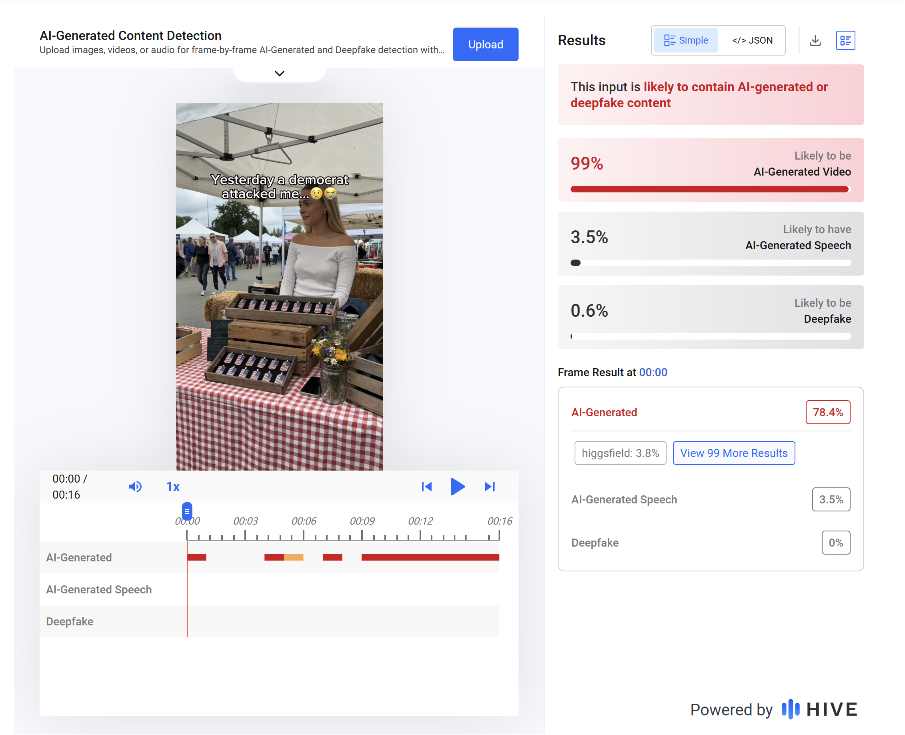
(Image source: Hive Moderation.)
When VerifRadar tested the video’s thumbnail image with ZeroGPT, it returned a similar result. According to that tool, the thumbnail was “96% FAKE”:
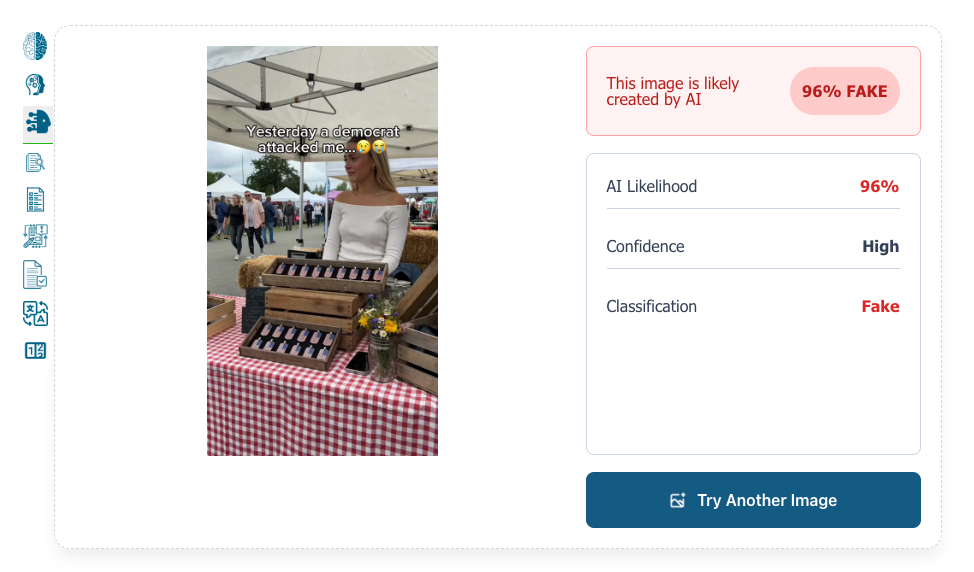
(Image source: ZeroGPT.)
In the video, the same necklace showed a different number of stars on the U.S. flag normally featuring 50 stars to represent each of the 50 states (archived here). At first, the pendant displayed 45 stars, then, near the end of the video, the total went down to 41 stars.
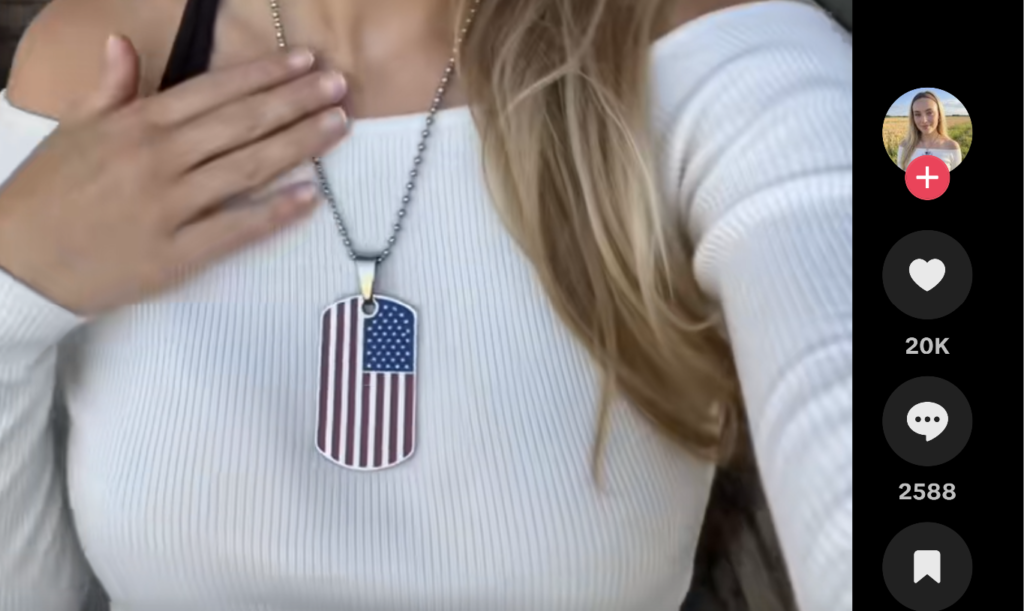
(Image source: post by @rubycrafts5 on TikTok.)
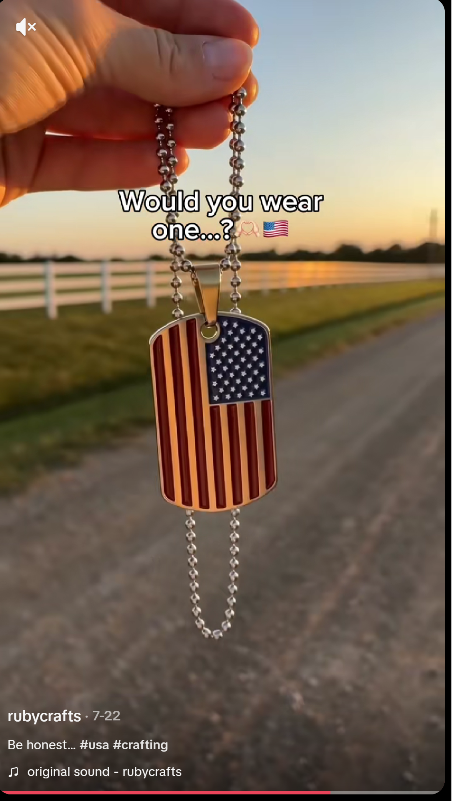
(Image source: post by @rubycrafts5 on TikTok.)
The shop said nothing about offering a customizable number of states on the American national flag. Yet, at the beginning of the video, the necklaces showed no stars at all:
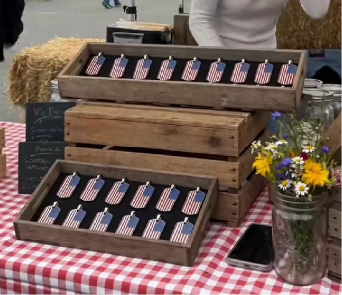
(Image source: post by @rubycrafts5 on TikTok.)
VérifRadar found another account (archived here) on TikTok that directed to the same store, but it showed a different influencer. Yet, that person was also created by AI:
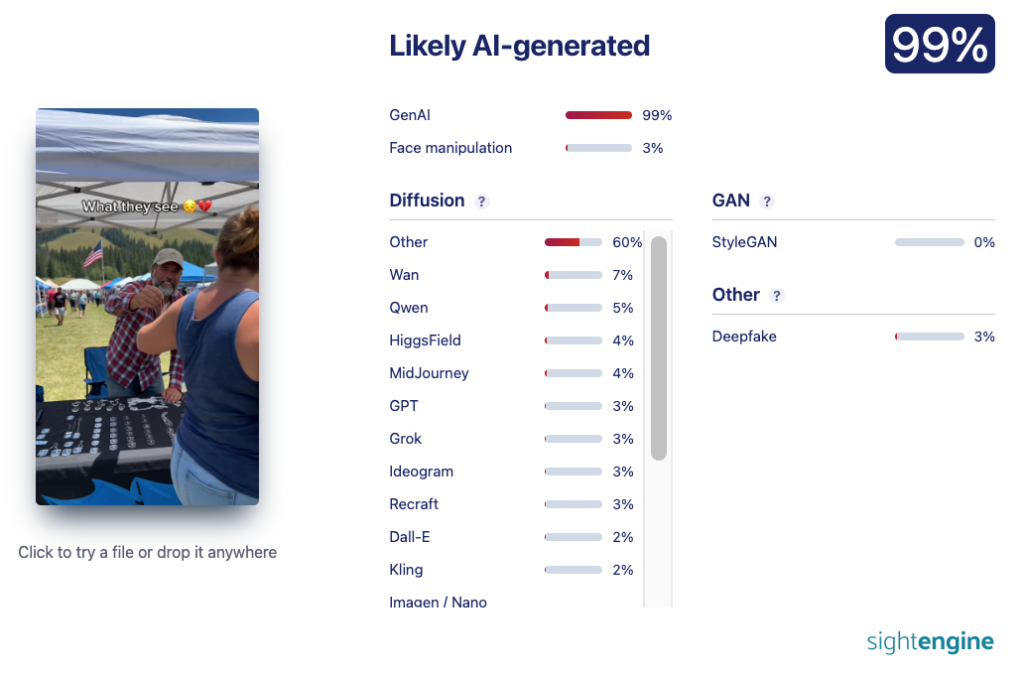
(Image source: Sightengine.)
Several comments in one video that gained a lot of traction from that account (archived here) demonstrate indications that correspond to coordinated inauthentic behavior, with a number of users asking to have the necklaces shipped to Israel, or “sending love from Tel Aviv”.
Those accounts’ bio don’t show them living in that country in some cases, including one from the Netherlands, one from Canada, one more from Mexico and one displaying support for Palestine. That suggests many of the accounts may have been hijacked and could be used by a bot farm to trick the algorithm and inflate engagement as a result.
The pendant-selling website (archived here) advertised by the account whose videos are the focus of this article was registered on July 24, 2026, according to the WhoIs lookup tool (archived here):
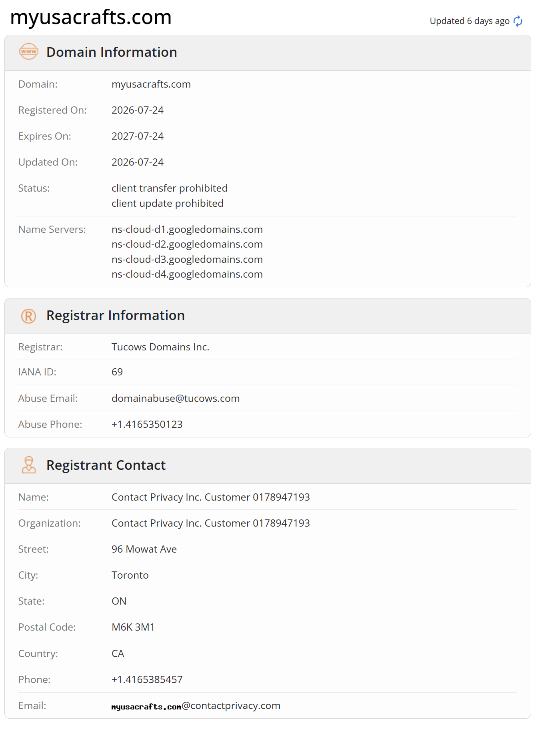
(Image source: WhoIs.com.)
However, one review marked as “verified” claimed that its author was able to order a patriotic necklace from the page 20 days before its registration:
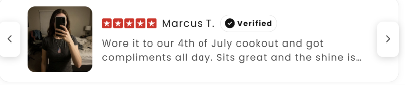
(Image source: myusacrafts.com.)
ZeroGPT found that the image of the supposedly real customer was 97% likely to have been created by AI:
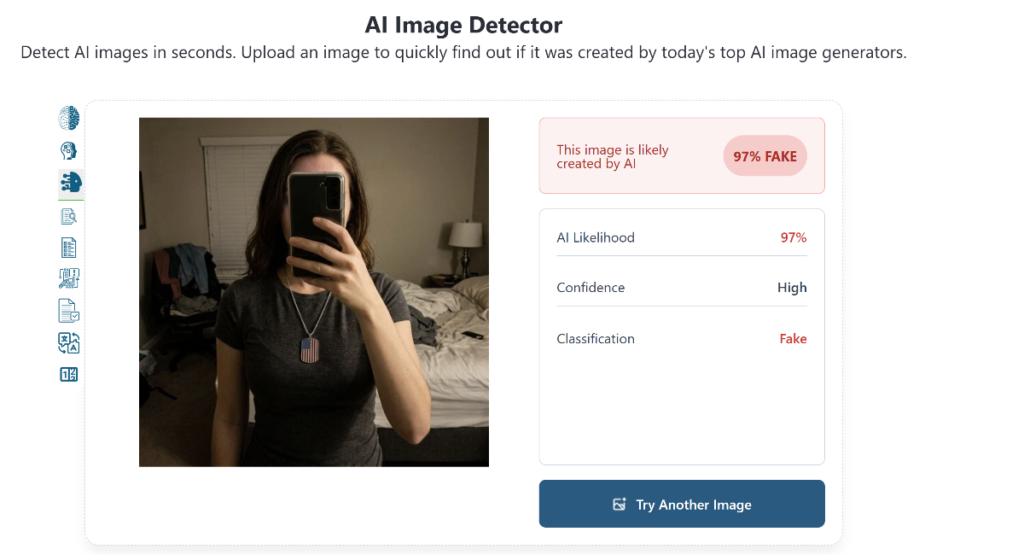
(Image source: ZeroGPT.com.)
According to ImageWhisperer, the odds of that person’s “photo” being a product of generative AI were 100%. The tool further pointed to a specific model used to make the picture: Gemini 3.
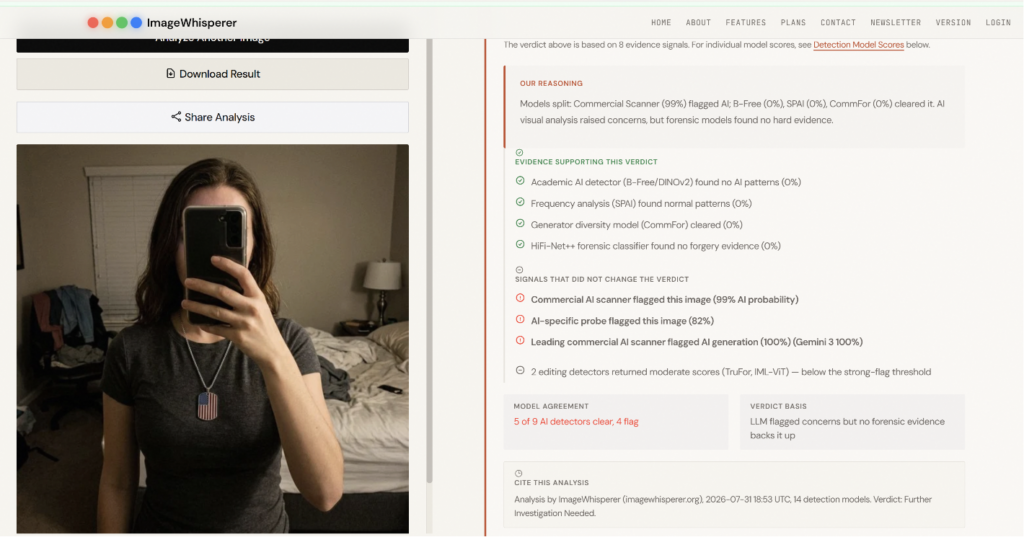
(Image source: ImageWhisperer.)
Gemini, in turn, also confirmed that. It said:
“Yes, this image was generated or edited using Google AI.”
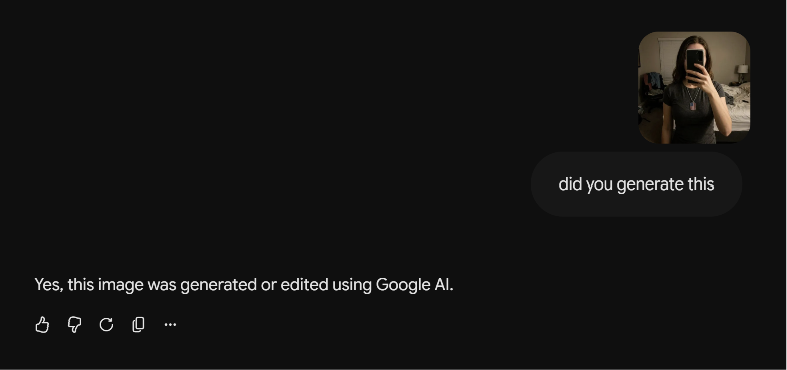
(Image source: Gemini.)
While the website showed that it has 93 reviews averaging a rating of 4.8 stars, clicking on the “show more reviews” button generated a loop of the same handful of reviews.
As of August 4, 2026, the website displayed “4th of July” 50% off sales with a timer that resets everyday to give a sense of urgency for customers to buy the products. It also offered to tip and to get “mystery packages” for an extra price or at no extra charge if more necklaces were purchased.
AI is accelerating the scope and scale of the manipulations that aim to extract money from unsuspecting victims browsing so-called “hand-crafted” products, Filippo Menczer said:
“Research from our Observatory on Social Media has been raising awareness about the possible harms of AI-enabled manipulation…”
He went on:
“…what makes this kind of fraud concerning is that AI is used to generate engaging fake content (ragebait videos, reviews and comments) targeting a particular community — MAGA people in the examples you shared with me. The same AI tools can be used to quickly and cheaply generate this kind of manipulative content targeting any community to steal their money or financial information.”
Although the online store reads “Support a small Business” and the AI video claims the necklaces are handmade, a Google Lens search of the necklaces provided results of similar widely available products going for far less than the price it lists. The same necklaces can be bought from Temu for three Canadian dollars (archived here) or for two American dollars (archived here) on Alibaba. They are also available for a fraction of the cost on Etsy (archived here) at USD 8,40 from a seller shipping from the U.S.
VérifRadar attempted to contact the phone number provided in the “Contact Information” section of the website three times. The call went through, but no real human picked up the phone.
Sending credit card information to unknown merchants, especially if involved in posting fake videos, creates risks of fraud.
Phone number reused
VérifRadar found multiple online stores displaying the same phone number, but each time it was attributed to different names. A Google search of the phone number found on myusacrafts.com shows multiple Shopify stores indicating the same number as their contact information, also displaying similar patterns of manipulation:
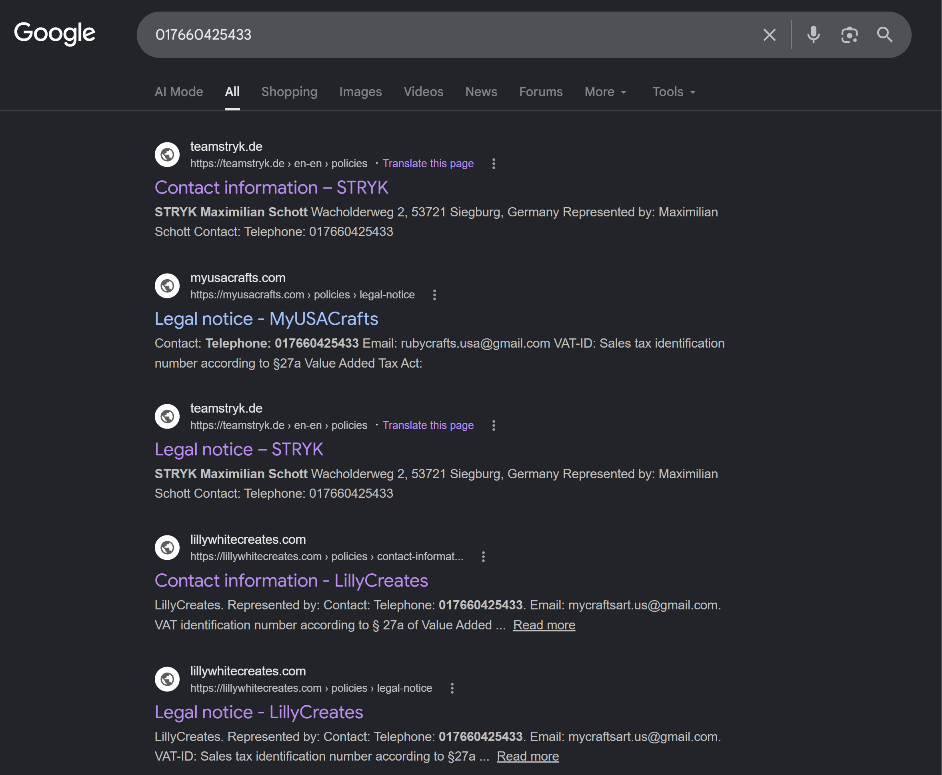
(Image source: Google.)
More stores targeting Christians and the U.S. army service members
The case of the necklace-selling enterprise was one of many examples illustrating a much broader pattern on social media.
Previously, in mid-summer 2026, another fact-checking organization, Lead Stories, wrote about two other fictional characters, “Lily” and “Taylor” claiming to have been beaten while selling Jesus hoodies. Just like the necklace-selling woman, they were created by algorithms.
The AI-generated artisans typically follow the same generic appellations, with names that sound familiar to Western audiences along with words such as “crafts”, “creates” or other synonyms and the fake hand-crafters represent presumably white people. Moreover, they all offer sham resetting sales hovering around 50%.
By searching for the keywords that included common Western first names along with “crafts” on TikTok, VérifRadar quickly found a store (archived here) from an account (archived here) that sells “God is good” hats, again with an unoriginal design that can be found for a much lower price tag on sites such as Etsy (archived here).
Originally, that account on TikTok directed to thewesterncrafts.shop for handmade leather hairbrushes, but now it redirects to another store that sells no hairbrushes. Although the store’s domain name is joshcrafts.com (archived here), its description reads “Crafts By Sophia”. That was registered through Tucows and Contact Privacy Inc., per the WhoIs record, in July 2026 – just like myusacrafts.com. The hats sold there can be found for around ten dollars USD from Walmart (archived here) or Amazon (archived here).
VérifRadar found that at least one more – cap-advertising – website (archived here) showed the same patterns with the fake “4th of July” sale timers as the ones selling patriotic pendants. Just like the necklaces, the patriotic caps could be found with Google Lens for cheaper. Interestingly, that website was also registered in July 2026, as WhoIs records (archived here) revealed:
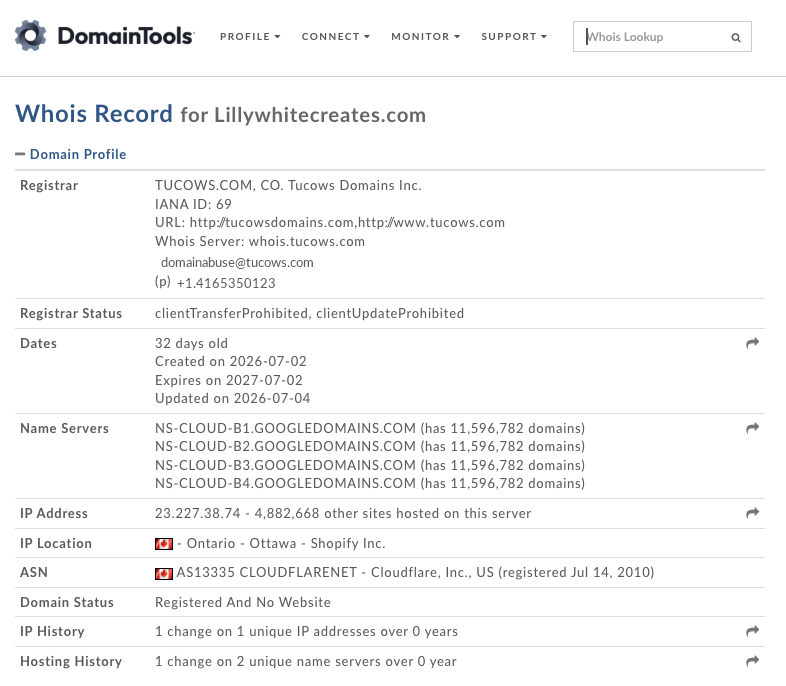
(Image source: WhoIs.)
Other e‑commerce manipulations (archived here and here) associated with AI-generated brand ambassadors (archived here and here) on TikTok targeted the U.S. Army. VérifRadar contacted a Pentagon Duty Officer for comment. This article will be updated as appropriate when a response is received.
More similarities: Canada ties and the same site-building app
Many of the sites reviewed by VérifRadar shared other features as well.
For example, those stores were all built through Shopify, the websites’ code shows:
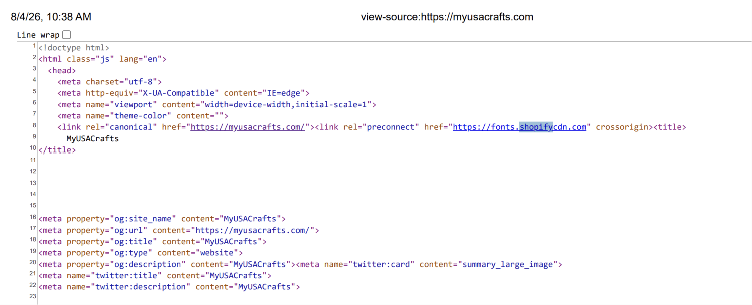
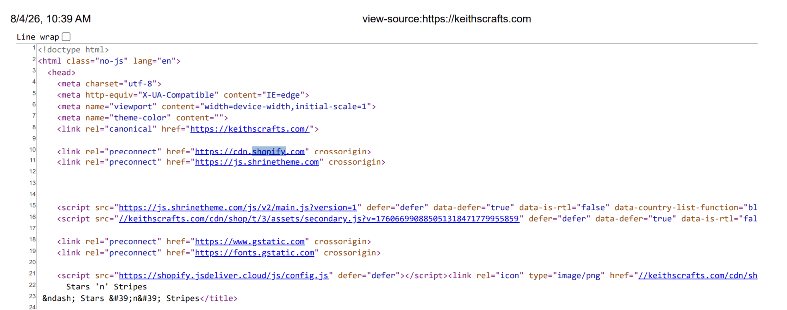
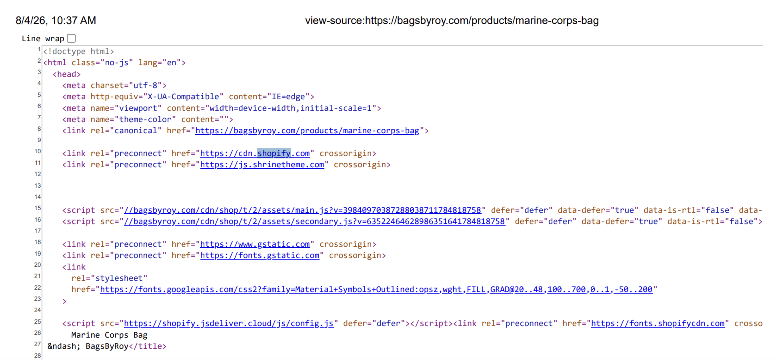
(Images’ source: HTML source of three stores reviewed in this analysis.)
Another similarity was that at least four of those sites were registered during the same time window (in late June and throughout July) through Contact Privacy Inc., a privacy safety company based in Toronto. For a relatively small extra fee, it allows owners of a webpage to keep their WhoIs information private.
The repeated domain registrar was also a Toronto-based company, Tucows Domains.
VérifRadar provided its findings suggesting inauthentic behavior to the domain registrar of the merch websites and the WhoIs privacy company, but did not hear back days later. TikTok and Shopify were also notified. If we receive a response, this article will be updated as appropriate.